
TANGIBLE THERAPY
Design research project: Tailor
Design research project: Tailor
This project revolved around research into the emotional and cognitive aspect of children who stutter. I believe that there should me more attention for attitudes and emotional factors during treatment for children who stutter. I focused on making the emotions and thoughts that evolved around stuttering more concrete, tangible and playful for children. Tailor is developed to explore projecting, visualizing and symbolizing the affective, behavioral and cognitive components of a stuttering experience with children in middle-child hood.
Individual Design Research Project Master 1.2 – Play & learn
In collaboration with: Stotterfonds
Childen & parents at Logopediepraktijk Femke de Smit
Children & parents at Logopedie & Stotter praktijk Anne Schuddeboom
Children & parents at Uitjezelf – Marion Weijts
Key learning points: Iterative process; Design for and design with children; co-creation sessions with children; user testing with children; A variety of ideation methods; A variety of child-centered design methods; Tangible learning; Learning about the value play; Balance between making and thinking.
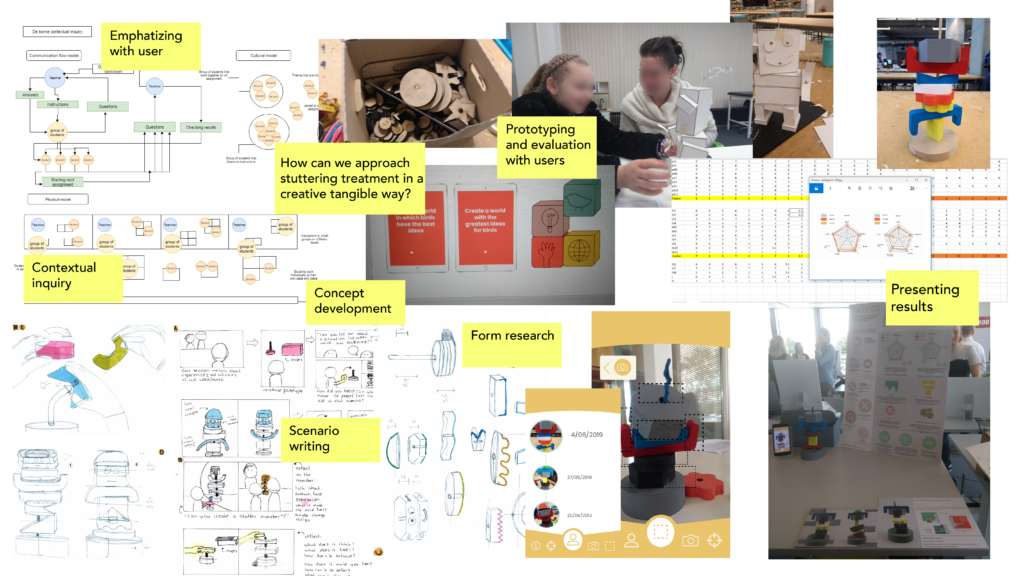
Stuttering is typically defined as a dis fluency disorder, although this is the most observable aspect of stuttering, a variety of research has shown that individuals present negative attitudes and emotions regarding to speaking. With adults there is a variety of methods and tools to include the emotional factor insights therapy, however there is much less attention for attitudes and emotional factors during treatment for children who stutter. Projecting, visualizing and symbolizing are methods which are often used with children to manage and understand challenging matters. Tailor is therefore developed to explore how projecting, visualizing and symbolizing the affective, behavioral and cognitive components of a stuttering experience can support children to express and reflect about their stuttering experiences in middle-child hood.
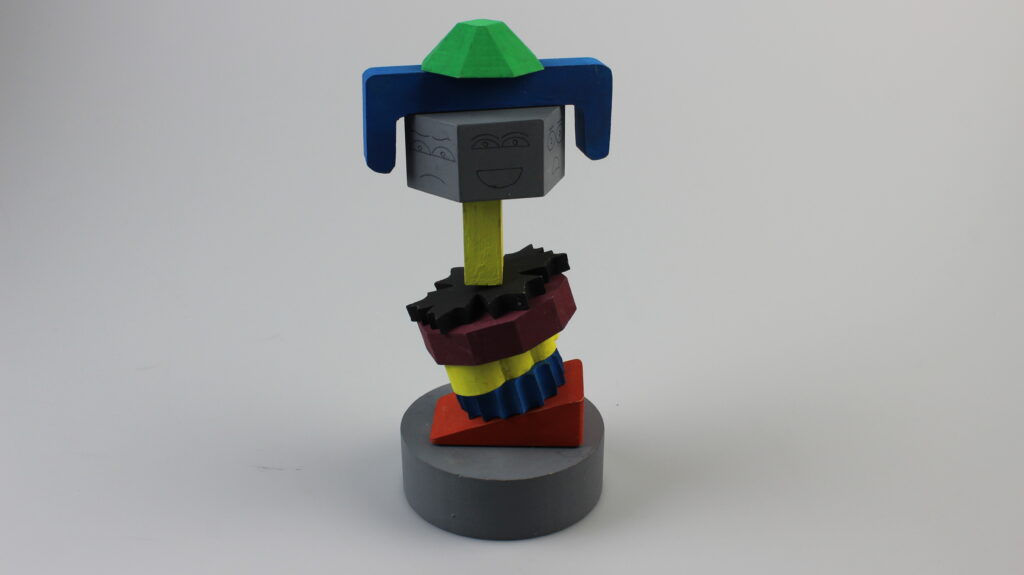
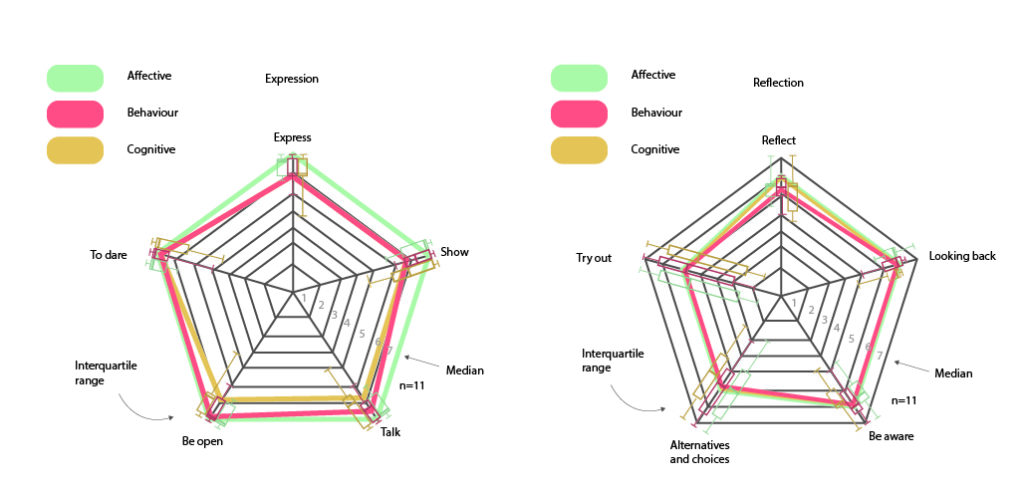
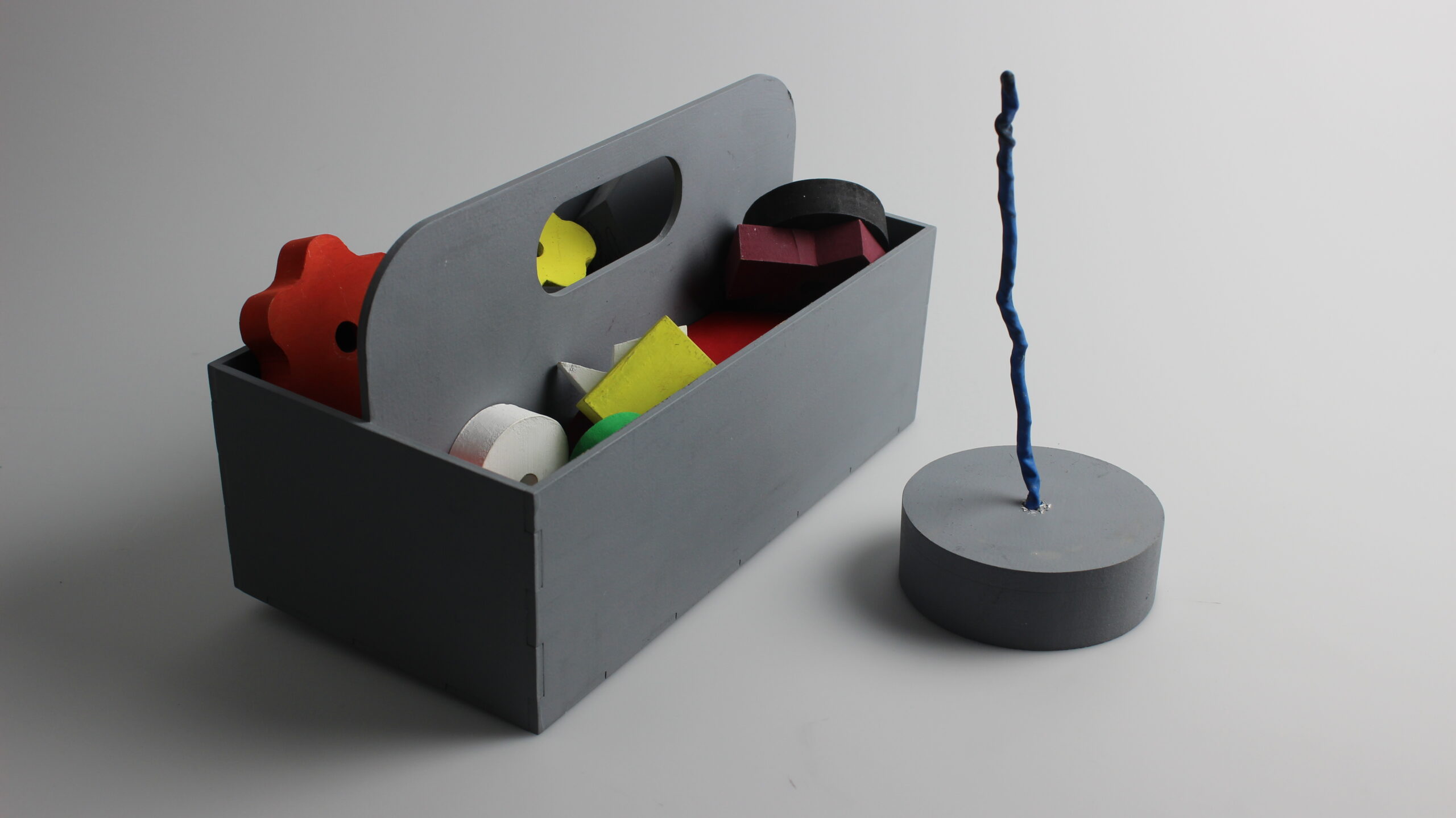
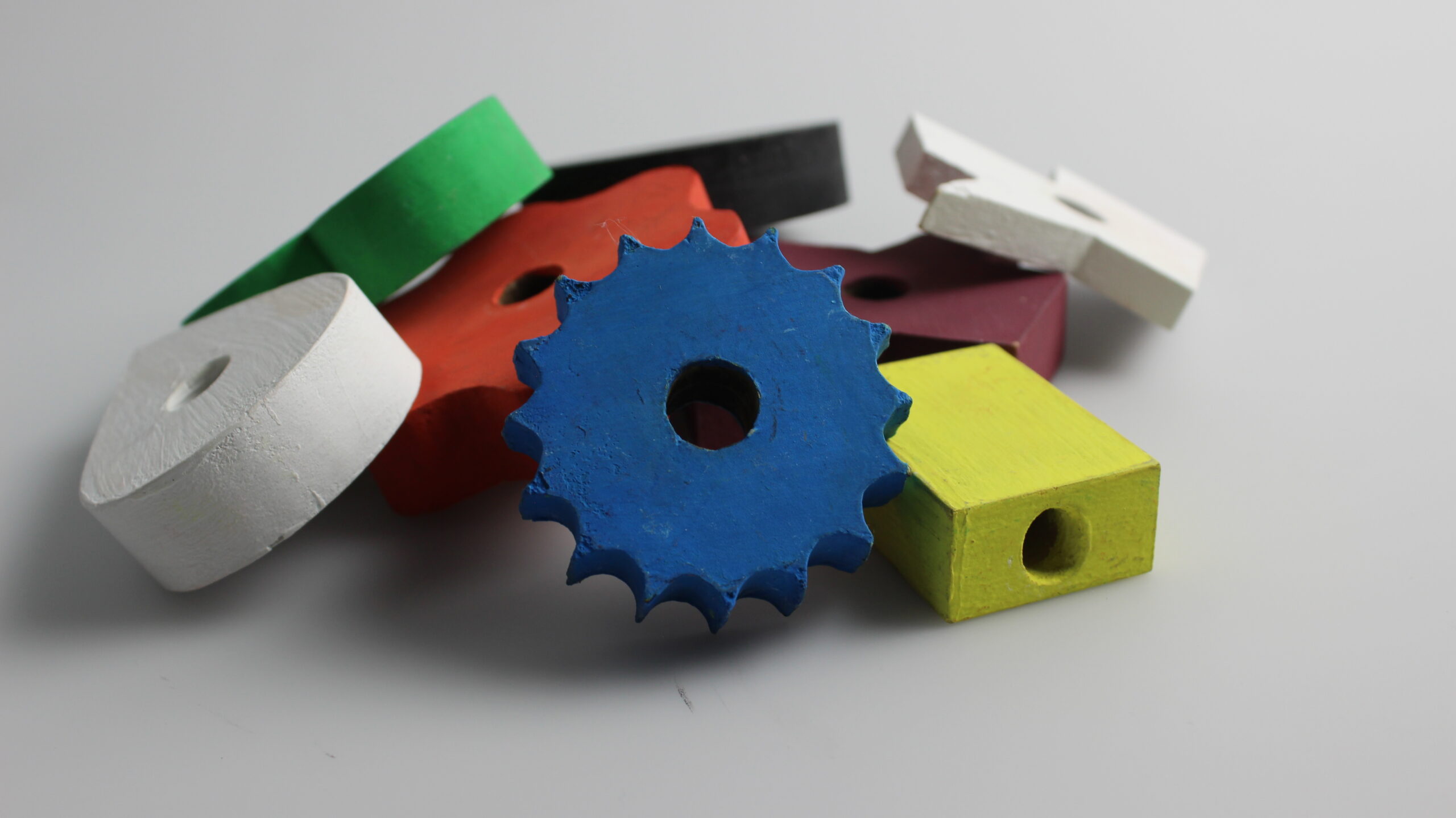
To explore whether and how a tangible toolkit could support children who stutter to express and reflect easier during therapy with their therapist, an exploratory prototype was developed in close collaboration with the children, parents and the therapists. It consist of a toolbox with blocks, a flexible standard and an application. The prototype functions as a research probe to explore how a child gives meaning to the blocks/complete puppet. It explores how a child is able to express and reflect with these blocks. Furthermore it explores how focusing on the ABC’s of the stuttering experience can support them in their treatment.
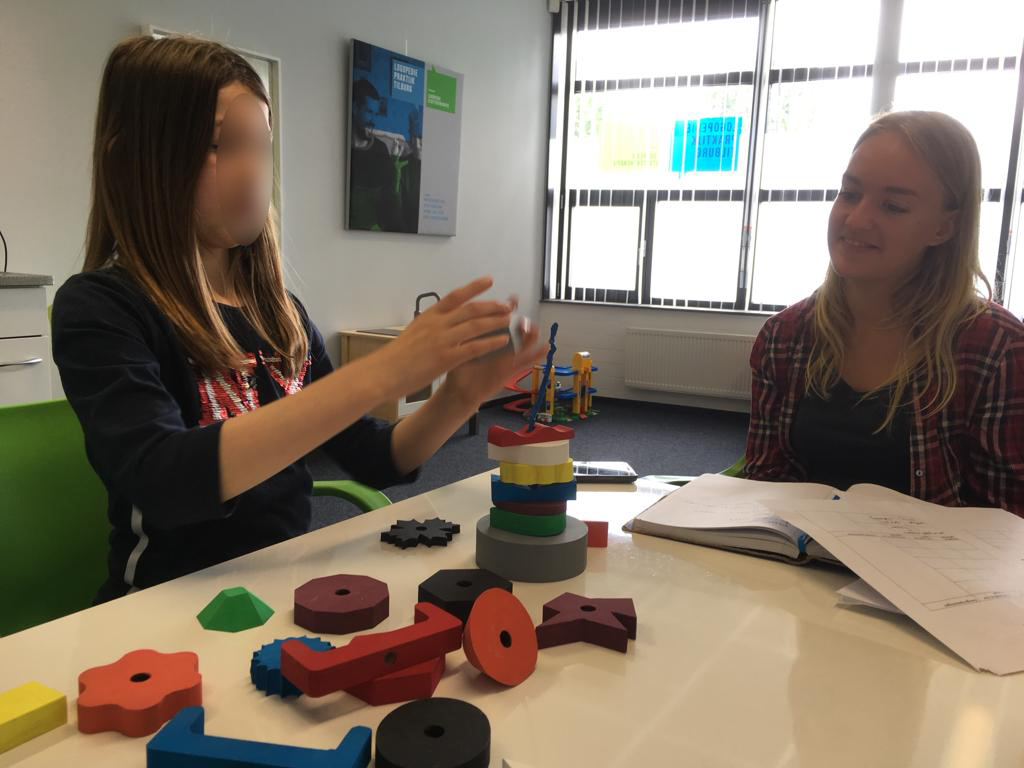
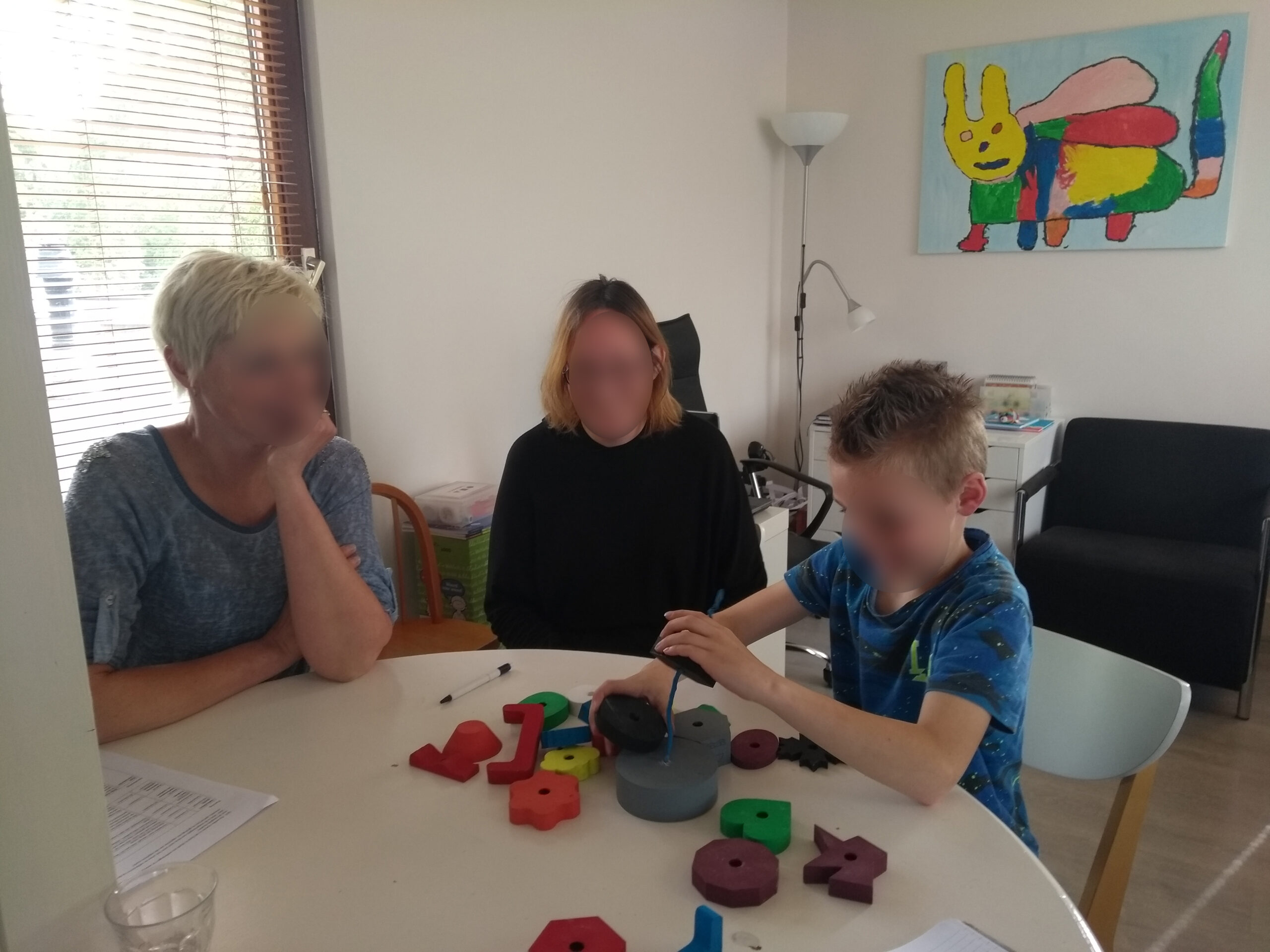
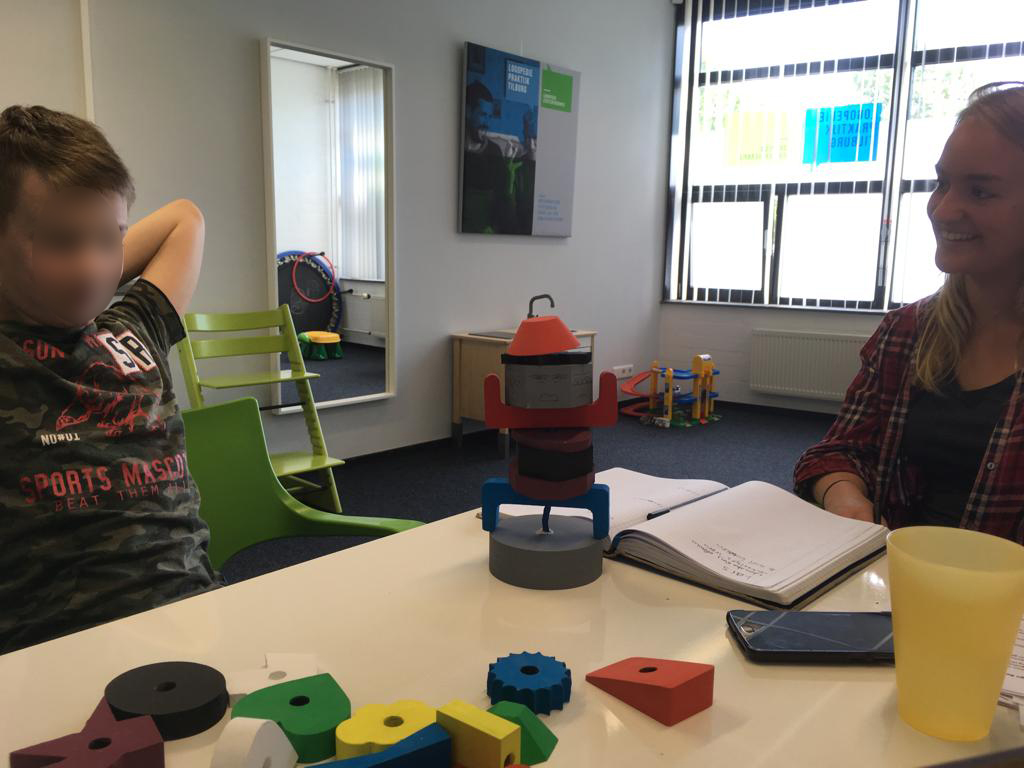
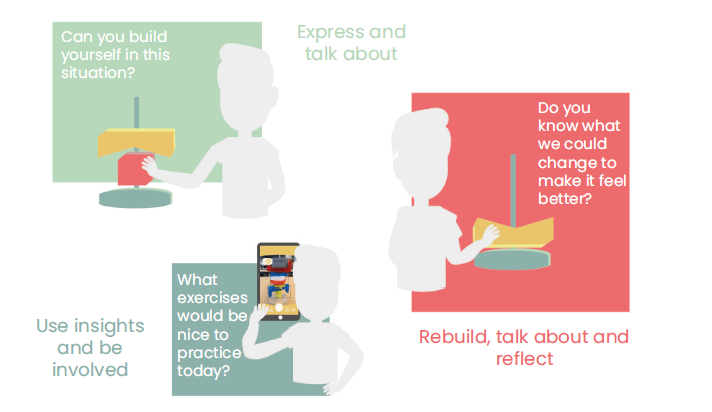
This research tool is used in a mixed method study with 11 children who stutter within the age from 7-12, 3 therapist and 11 parents. During the study, children were open about their experiences with their disability and were able to explain it to us in a creative way.
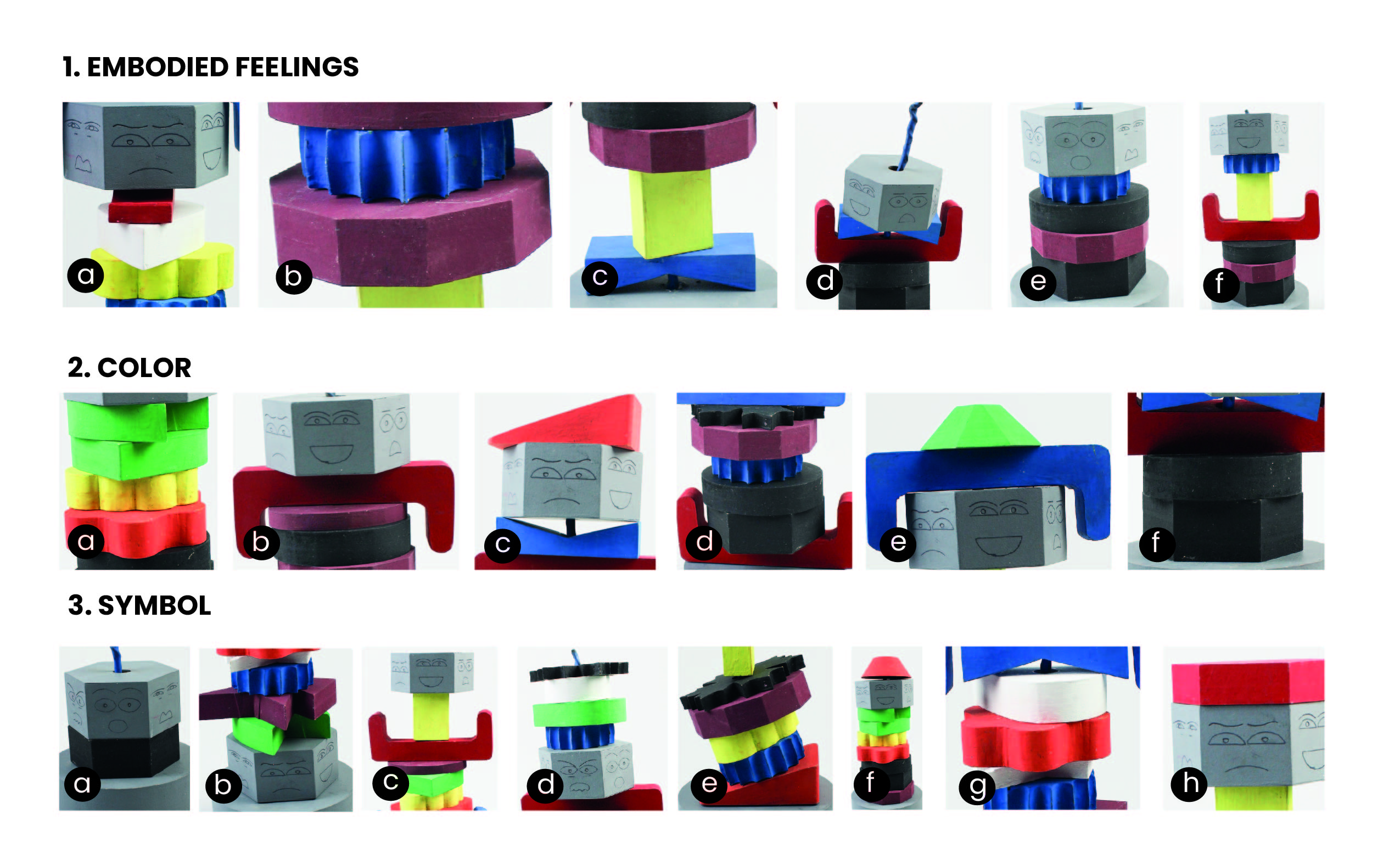
The expression of the affective component was influenced through this tangible toolkit especially on being open and daring to talk about this aspect. The affective component was also mostly reflected on in terms of reflecting on embodied feelings and basic feelings of the first three steps in reflecting, reflecting on the act itself, looking back and awareness (Korthagen, 1997). The behavioural component was again also reflected on in terms of body gestures.
As a parent mentioned: “The tool helps to reflect especially on feelings in the body. How did I stand, what did I feel in my body? It makes it more concrete and it makes you pay more attention to it. “
Because of the abstract shape, children were challenged to use their imagination, think about choosing an object and a more elaborated conversation rolled out of it. As a parent said: “I think children have difficulties to even reach what they feel but surely finding the words to express it. The fact that they are challenged to associate from the affective perspective, getting it out of their heads, is the most valuable aspect of this tool.”
We found that design characteristics, such as the created distance, the abstract shapes and the multi-layered feature positively influenced affective expression and reflection of the stuttering experience. Children often expressed and reflected on their emotions, thoughts and behavior through symbolizing, explaining embodied feelings through the blocks and usage of color to indicate happiness or anger. Furthermore we believe that this tool could support children who stutter during treatment by approaching it from the perspective of the child and involving the child more in its own therapy.